
Great leadership isn’t just about big strategies — it’s often about small, intentional moments. Our words are important so choosing the right word can set the tone for trust, accountability and success!
Over the past few weeks, I talked about the six sentences that belong in your vocabulary. When we have a hard time saying no, we are not selfish but strategic. When we talk about others making decisions, that is about trust and not just about the workload. When we talk about solutions instead of problems, we encourage critical thinking and ownership. When we don’t have availability this week, we are protecting our priorities and boundaries. When we don’t step in and resist the urge to fix everything, we let others grow. And finally, when we talk about what we can do about it, we shift the focus from an obstacle to a solution.
There are ways that our words become tools to help us accomplish those “no” sentences. We often need to “audit” our language by not taking over or providing too much input and instead empower our team by not saying too much. We should not over-explain when a simple response or statement would be enough.
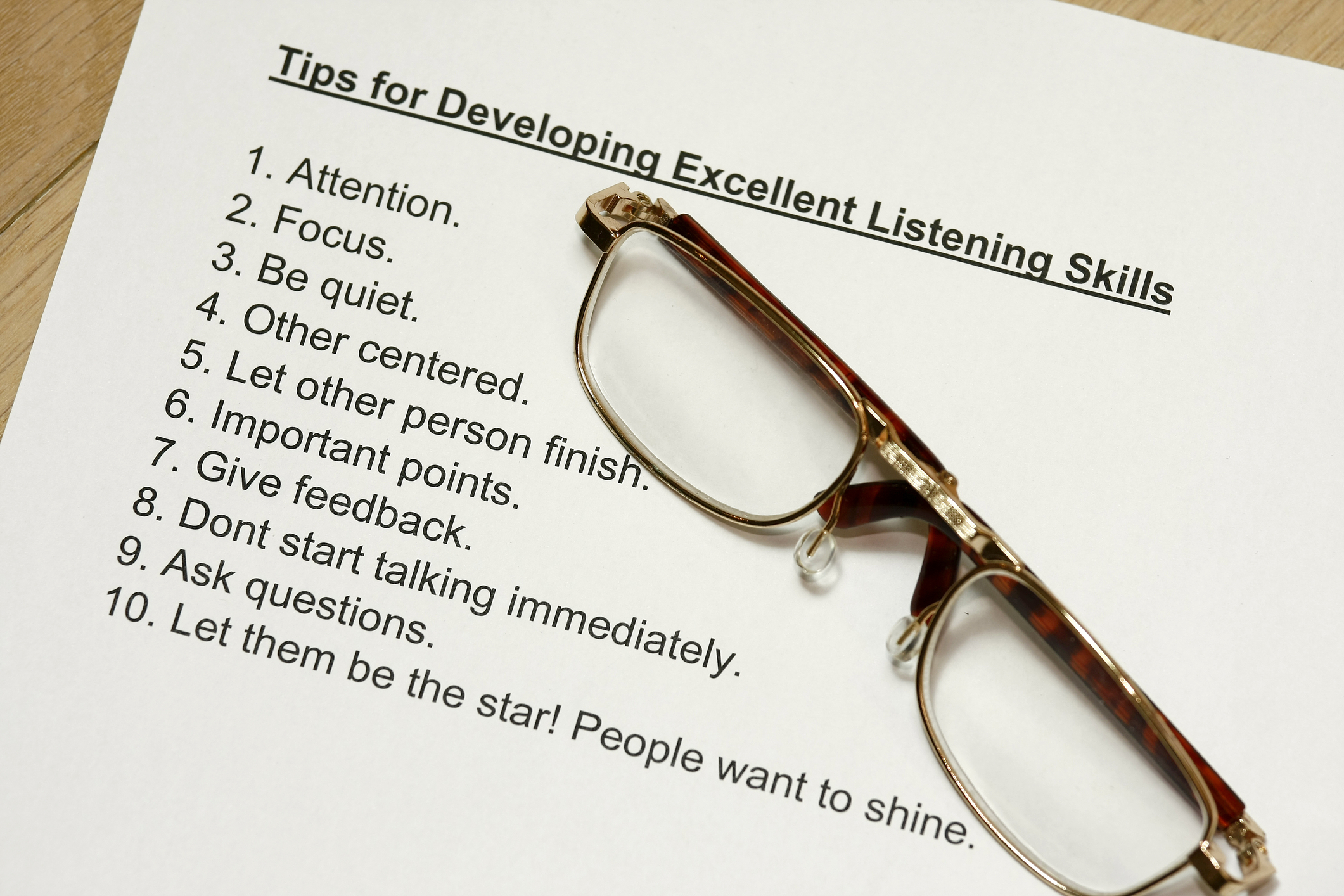
I have found the most powerful leadership move is to say less – and listen! I have said before I can be a bad listener but by taking that pause to listen or to leave some empty space for them to talk, it creates space for others to step up. Ultimately, we want to create a culture shift that tells our team that we trust them and their ability to deliver.
Here are some things we can do as leaders as it relates to the words we use:
- Audit our language by noticing how we take over instead of empowering
- Practicing a phrase per day and use it intentionally in a real conversation
- Celebrate solutions by publicly acknowledging when someone brings a plan to solve a problem
A few years ago, we were trying to finalize a big project, and the team was stuck on how to complete it. I really wanted to jump in, take control and “fix” it. But instead, I challenged them with “what do you think our next step should be?” The “pause” was loud and what seemed like a long time but honestly was probably about 30 seconds…and then, everyone started talking and ideas were flowing. They came up with a better solution that I was thinking of. In addition, they “owned it” and what I learned is that it was most powerful that I said less!
Here are some phrases we can use to build trust:
- “I hear you”
- “I trust your judgment”
- “I appreciate you sharing that”
- “What do you think?”
- “I believe you can handle this”
These phrases are important and truly build trust because they validate without judgment, encourage openness, invite ideas and build confidence. What can you change to build trust?